






Feverish markets, Zoom under pressure, or how not to confuse volatility with panic trading
By the end of 2025, the facade of a "controlled" global market is truly no longer holding up. Central banks are navigating between fighting inflation and the fear of stifling growth, geopolitical conflicts are settling in, tech value chains are straining, AI is brutally redistributing economic models, and the star-studded stocks of the COVID era have come back down to earth.

Zoom has become a good case study
During the pandemic, the platform symbolized the new world of work: explosive growth, massive adoption, a perfect narrative for investors. Then the normalization phase began: slowing growth, competitive pressure, IT budget arbitration, multiple re-evaluation. The market corrected. Not out of caprice, but because the price could not remain aligned with a scenario of infinite hyper-growth.
What is happening with Zoom and other similar stocks is not an isolated "crash," but a collective reminder: markets are paying much less for stories and much more for proof. Clear profitability, recurring revenue, product differentiation, balance sheet strength, strategic visibility. Those who do not align these elements are quickly penalized.
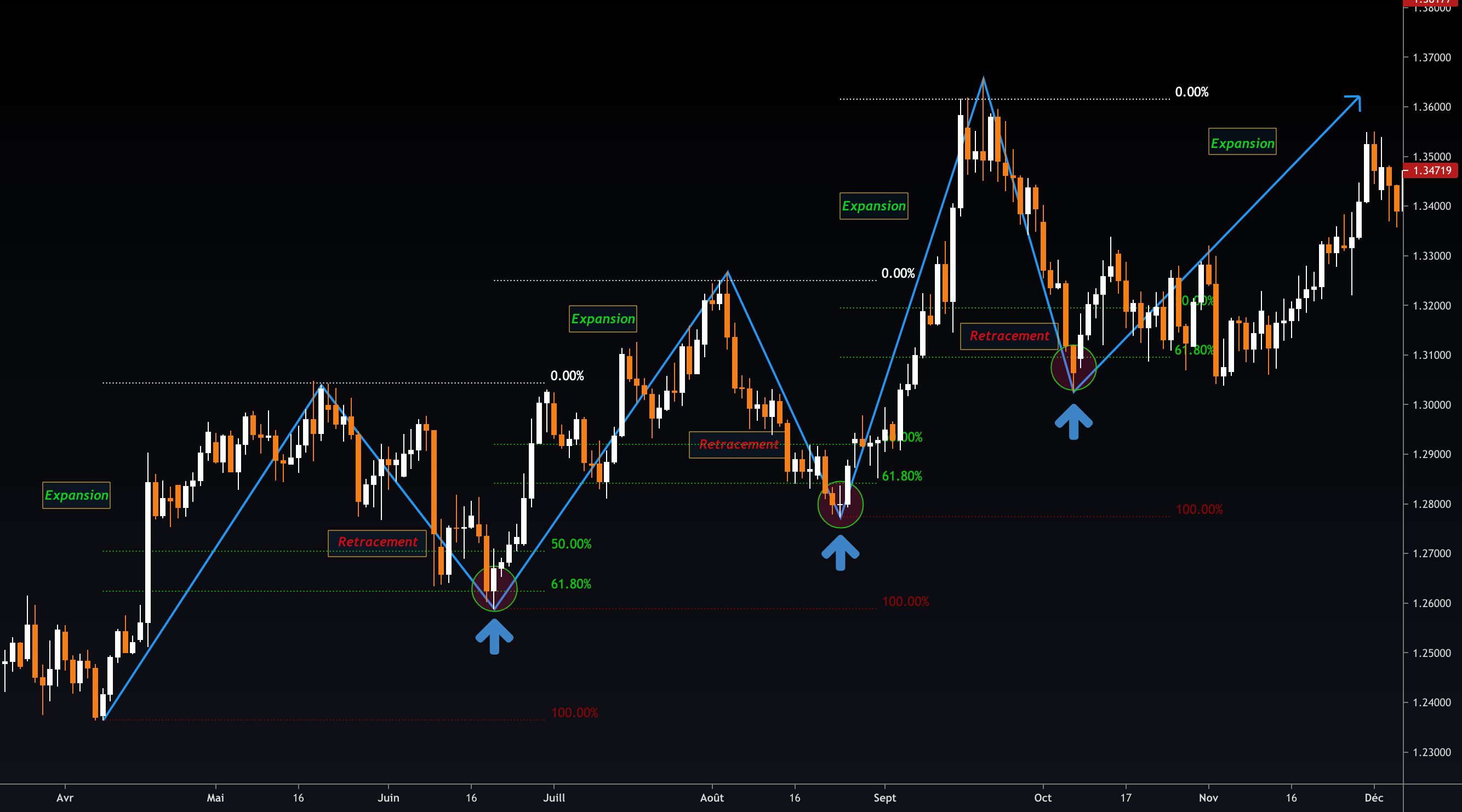
In this context, the worst reaction remains adrenaline-fueled trading: confusing normal volatility with the end of the world, accumulating positions on impulse, over-interpreting every red or green candlestick as a prophecy. We set a serious, useful framework, without magical promises.
Reading beyond the chart: History vs. Reality of companies: The most dangerous reflex is to let oneself be hypnotized by storytelling. A well-known brand, massive use, a strong place in everyday language guarantee neither sustainable valuation nor solid stock market performance.
For Zoom, as for other former tech darlings, the minimum reading grid in 2025 is simple: real, not fantasized, revenue growth; margin quality and stability; ability to generate cash rather than burn it without a plan; level of dependence on a single segment or use; position in a market that has become very competitive.
If usage remains but growth slows, the market compresses multiples. This is not a betrayal; it is a return to a more rational logic. The confusion often comes from here: many individuals mistake normalization for injustice, when it simply signals that the price is realigning with the actual business.
The serious role, by the end of 2025, is to put these fundamentals back at the center instead of chasing every rumor of a "hype comeback."

Accepting that volatility is the new baseline, not an anomaly
Years of massive liquidity created a toxic habit: believing that a "normal" market is one that rises almost all the time, with occasional corrections presented as anomalies.
In reality, the current regime is closer to what it should always have been:
rapid reactions to macro announcements;
violent sanctions on companies that miss their targets;
frequent rotations between sectors; marked disparities between strong winners and fragile cases.
For those who trade or invest seriously, this implies several very concrete things:
Do not oversize a position on a single tech stock because it "has already fallen so much."
Do not take every -10% movement as an existential signal,
Nor every +15% as definitive validation.
Understand that a stock can remain "cheap" or "too expensive" for a long time compared to its history if the market still doubts the model. A volatile environment is not, in itself, a global warning signal.
It is a permanent test: who has a plan, who reacts to everything, who can take a hit without exploding.
Deflating the fantasy of "Miracle" strategies
Telegram signals, promises of AI trading robots, guaranteed "secret" strategies are louder than ever at the end of this year.
It's logical: the more visible the instability, the more those who sell shortcuts prosper.
The serious reality lies in a few sober principles, which may not inspire dreams but prevent being swept away.
Real diversification: sectors, geographical areas, currencies, company sizes. Not five tech stocks and two rebadged cryptos as "diversified."
Fundamental discernment: prioritize companies with a clear model, recurring revenue, clean balance sheet, rather than pure narrative promises.
Measured exposure to speculative themes: AI, green, defense, space, biotech, yes, but with consistent line sizes and without confusing conviction with addiction.
Risk management before performance: mental or written stop-loss, position size adapted to capital, refusal to "make up losses" by doubling down on a losing trade.
These are not personalized advice, beware. These are basic safeguards. Those who ignore them end up confusing portfolio management with casino behavior.
ZOOM? A symbol of necessary correction, not an apocalypse
The Zoom case perfectly summarizes the current moment.
Massively used product, integrated into the daily lives of millions of users.
Direct competition from giants (Microsoft Teams, Google Meet, etc.).
Unrealistic initial expectations for eternal post-COVID growth.
The decline from its highs is violent, but it follows a clear logic: the stock is detaching itself from its pandemic bubble and re-evaluating as a "normal" SaaS communication company, judged on its paying customers, its innovation, and its ability to retain businesses.
This type of trajectory invites two opposing errors: considering that any significant decline means "the market is stupid"; or interpreting every correcting stock as a doomed company.
In both cases, the essential is missed: the market sorts. It sometimes sorts badly, but it sorts. Models that are too smooth, too dependent on an exceptional context or announcement effects are re-evaluated. Companies that prove, quarter after quarter, that they maintain their margins, innovate usefully, control their costs, resist better.
Lucidity consists of reading these differentiations instead of overreacting to noise.
Do not confuse normal movement with panic trading
The real issue, at the end of 2025, is not "should we be afraid of the markets?", but "should fear drive every click?".
A few signals indicate a shift towards panic trading:
chaining very short-term entries and exits for no other reason than the day's color;
multiplying positions on stocks one does not understand, for fear of "missing the move"; increasing position sizes as losses accumulate; consuming more alarmist content than verifiable data.
Conversely, a mature approach does not guarantee any gain, but significantly reduces the probability of self-inflicted catastrophe: analyzing before acting; accepting not to be on every trade; letting time play its role when the followed stock remains coherent; accepting to exit cleanly when the thesis is invalidated.
We don't play the hero. We don't play the prophet. We accept that volatility is part of the landscape, and we refuse to turn it into an internal disaster scenario.
This text does not replace professional advice tailored to an individual situation. It states a simple thing: at the end of 2025, confusing volatility with the end of the world remains the shortest path to bad decisions. Those who endure are those who know how to read, wait, and act less, but better.






Share: