

Concrete, Mist, and the Urgency of Hostile Design
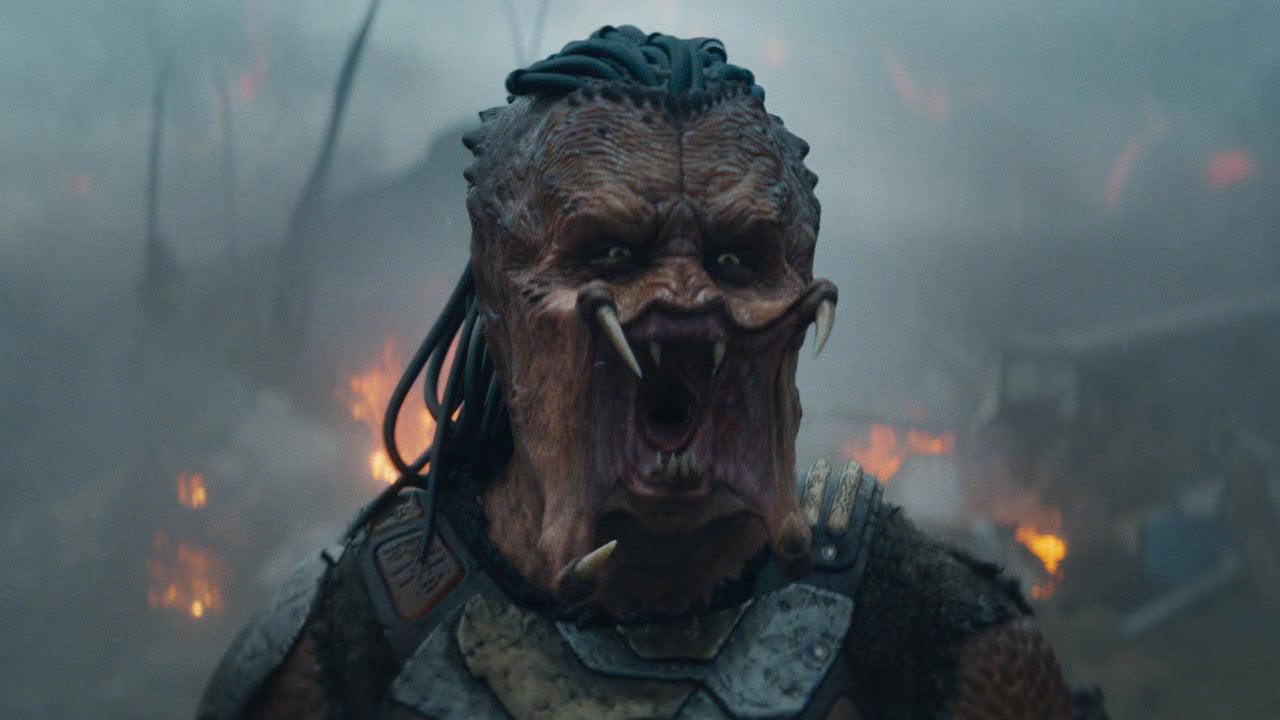
The release of Predator: Badlands is an aesthetic milestone for Action Science Fiction: brutality is no longer just narrative, it is visual and environmental. The look is no longer that of sleek spacecraft, but of abrasive textures, industrial brutalism, and harsh, aggressive light. This film is a source of inspiration for urgent and functional dystopian design. The era calls for compositions that breathe sweat, cold metal, and cracked concrete.
The production requirement is to transform every 2D or 3D element into a palpable and hostile piece. This manifesto deciphers the visual grammar of survival, focusing on Matte Painting and the aggressive use of Rim Light to create permanent tension. In 2025, Visual Foreshadowing replaces the jumpscare, creating spatial anxiety that maintains engagement and narrative urgency.

Brutalism, Verticality, and Visual Anchoring
Brutalist architecture, inspired by abandoned industrial complexes or hostile canyons, acts as a passive-aggressive character. The concrete, hard lines, and overwhelming verticality place the artist in a space of lonely power and vulnerability.
Typographic Anchoring and Mass: Titles must respect this mass. Fonts must be industrial, massive, and anchored to the ground. The title must cast a strong shadow and be affected by the environment's texture (slight grain, cracks). The use of sculpted neon title sets is essential to integrate text into the scenery (cast shadow and light reflection).
Depth through Matte Painting: The use of 3D Environment Kits (concrete, steel) is crucial. It allows for the construction of backdrops with environmental complexity without modeling every detail, accelerating the production pipeline.
The Scale of Vulnerability: It is fundamental to play on scale by placing the human subject very small in relation to the architecture. This reinforces the idea of being hunted and vulnerable in a hostile and vast environment.
A. The Detail of the Abrasive Surface
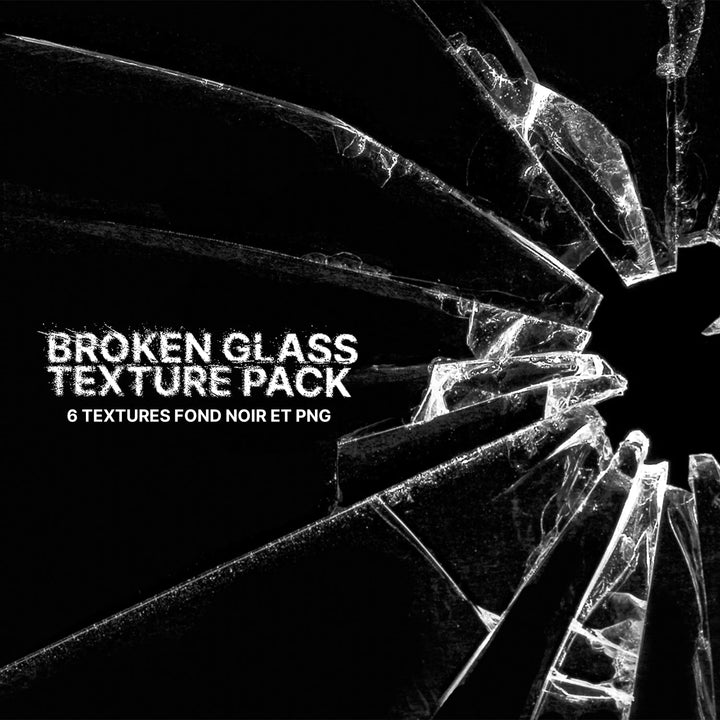
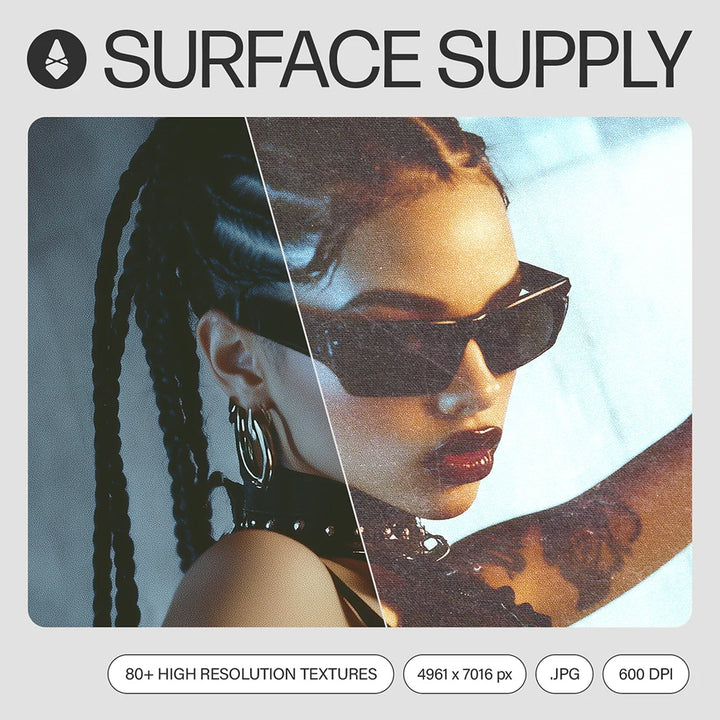
Brutalist aesthetics demand that concrete and metal are never smooth. The detail of cracks, rust, and volcanic dust must be integrated via high-resolution PBR (Physically Based Rendering) textures. For 3D environments, access to collections of high-resolution abrasive surface assets is imperative to give the setting its tactile and hostile credibility, signifying a high-level production.
Visual Foreshadowing and Emergency Signal
Visual Foreshadowing is the tool of the action/thriller genre. It involves inserting visual clues of the threat long before it is revealed.
For example,
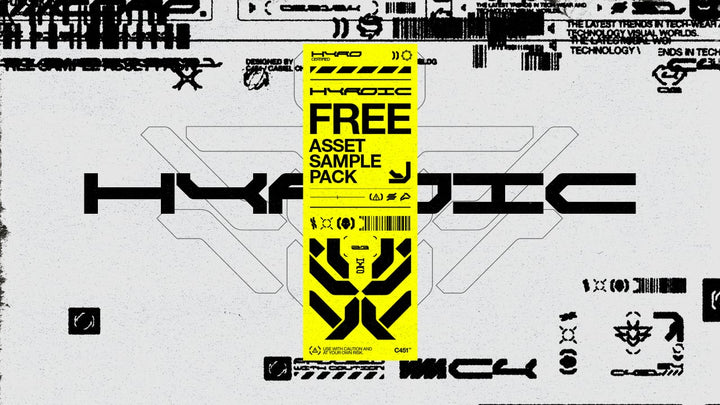
The Stealth Signal (Thermal Vision): The use of a stealth thermal filter that briefly "clicks" on screen, without ever revealing the creature. Dystopian HUD element kits are integrated to simulate scope interface elements, heat scans, or danger readings that appear in the background mist.
or Cathodic Interference: The addition of CRT lines and micro-glitches to simulate radio interference or corrupted transmission. These glitches are not for a retro look, but to signify that the image is being attacked by an approaching external force.
The Aggressive Color Spot: Use of an unusual and synthetic color (an Acid Green or a Bright Orange) that appears in the farthest mist, announcing the arrival of a substance or a high-tech weapon. Foreshadowing is the art of unresolved tension.
The Demand for Light
Light in this genre is technical and aggressive. The Dystopian Backlight: Rim Light is essential. It must be colored (often Cyan or Acid Green) to double the emotional message of the warning signal. It does not serve to illuminate, but to cut out and isolate the element in maximum contrast with the darkness.
The Materialization of Air: Dark scenes rely on layers of heavy mist, industrial smoke, and dust to materialize the air and create distance. It is imperative to use collections of volumetric industrial smoke overlays in passes so that the mist thickens with distance, without ever obscuring the face or critical text. Total control of light over these mist layers is key to atmospheric realism.
The Craft of Dystopian Speed
The studio must maximize visual density at high speed for the demanding content drop market. The workflow is based on asset efficiency: using Brutalist Matte Painting for the environment, aligned with the filmed subject. An Acid Green Rim Light is added to detach the silhouette.
Anchoring is vital: placing a Shadow Catch on the ground. The error that slows down production the most is the manual creation of assets. The secret lies in strategic investment in libraries of industrial environment sets and collections of cinematic mist and dust overlays. These tools allow bypassing long rendering steps and focusing on the precise application of light and Foreshadowing, ensuring the output cadence required by the short and impactful video content market.
The Dogmas of Efficiency
To maintain pace and professional authority, certain practices must be banned:
- Floating Text: The absence of interaction between the titling and the lighting of the set is an indicator of laziness. Text must be anchored via realistic shadows and reflections.
- Monolayer Mist: Using only one smoke overlay without depth management (Z-depth) is an error that makes the atmosphere flat and not oppressive. Mist must be managed in passes.
- "Clean" Rendering: Plastic perfection is the enemy of dystopia. The lack of grain, dust, chromatic aberrations, or interference artifacts betrays the lack of depth and authenticity of the hostile environment.
- Absence of Coherent Audio-Visual: Visual Far Shadowing must have a sound equivalent (a drone or a subtle radio signal) to function fully and create a complete sensory experience.


Share: