




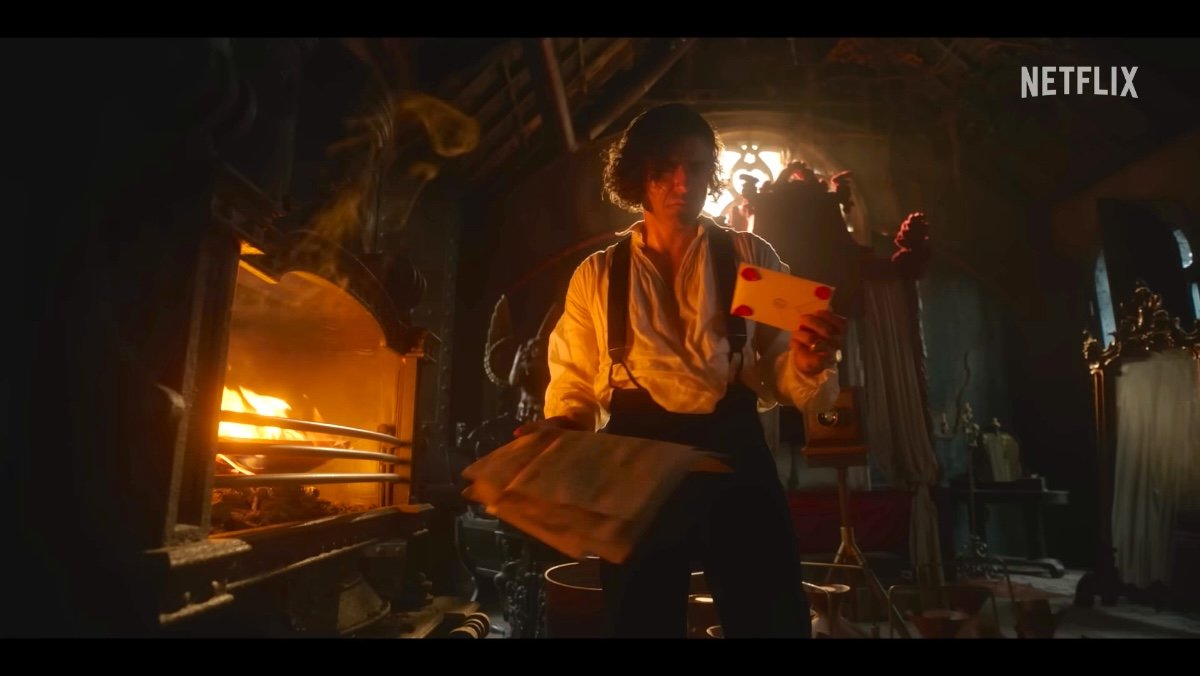
The Weight of Shadows and Visual Sincerity
The anticipation surrounding Guillermo Del Toro's Frankenstein is not just release buzz; it's a masterclass for visual creators, marking a major aesthetic turning point.
Faced with the sterile and interchangeable perfection generated by AI, the creative market demands one fundamental thing: texture, imperfection, the narrative weight that anchors a work in historical reality or palpable emotional depth. The era of the smooth image is over. Audiences are looking for the archive, the raw document that bears the patina of time, a signature of authenticity and human endeavor.
This film dictates the new rules of the game. It teaches the rhetoric of shadow and the sincerity of grain. The demand is no longer rendering complexity, but density of intent: every shadow, every color must be laden with meaning, from the melancholy of the past to impending menace.
The NEO-RETRO Paradox
The current fascination with archaic figures (Gothicism, Stylized Horror) and past aesthetics is a conscious rejection of digital uniformity. Neo-Retro uses patina (grain, haze, optical flaws) to create an immediate emotional connection. Key lighting is minimal; narration takes place in the shadowed areas (the Del Toro method), where the eye must actively engage to decipher information, increasing engagement time.
The essential technique is the Faux-True Archive. This involves applying cinematic film grain, non-destructively, and adding chromatic aberrations or pronounced vignetting that simulate vintage optics. These intentional imperfections lend documentary authority to your fiction.
A. The Chemical Treatment of Digital: Accessing Optical Rarity
The mistake is to believe that grain is a filter. It is a layer of texture that must interact with light. It is crucial to manage grain in post-production non-destructively. Professionals invest in libraries of rare film scan archives to ensure optical rarity and depth of grain, impossible to simulate with standard generators. This tactical choice immediately injects historical credibility into the image, transforming flaws into a signature. The interaction of grain with luminance, accentuated in deep blacks and softened in highlights, simulates film chemistry and ensures a high level of technical sophistication.

The Art of VISUAL FORESHADOWING and Latent Anxiety
In the context of tragedy, Visual Foreshadowing is the ultimate rhetorical tool for building tension and avoiding instant gratification.
1. The Melancholy Glitch and Rupture: On a stable title, slip a short glitch or a torn paper texture on a corner, announcing rupture and chaos. This artifact should last less than eight frames (retinal persistence captures it, but doesn't confirm it), acting as a fleeting flash of anguish that rewards the eye's attention.
2. Color Dissonance and Emotional Excess: Introduce very soft magenta halos or dark red reflections into an environment dominated by sepia and blue tones. This thematic color should never dominate; it brushes saturation in the background, foreshadowing emotional excess.
3. Symbolic Shadow and Peripheral Vision: The fleeting presence, in the blurry background, of a shape reminiscent of the object of obsession. The monster should not be seen, but its cast shadow should be surreptitiously inscribed in the periphery of vision, engaging active anticipation.
The weight of textures and sincere Z-Depth
The success of these productions relies on a mastery of space and light that transcends simple illumination.
1. The Weight of Architecture: The set is not a background, it is a character. Typographies must be treated with massive industrial fonts and anchored to the ground (drop shadow, 3D extrusion with texture). The effective use of pre-textured environment kits is vital for establishing the credibility of the location without modeling every detail, maximizing production speed.
2. The Rim Light of Mystery: Rim light is the most powerful tool for framing threat or mystery. It must be colored (Cyan or Red/Magenta) to double the emotional message and detach the titling. Its intensity must be calibrated to cut out and isolate the element in dramatic contrast.
3. Management of Atmospheric Layers: The illusion of depth in darkness does not rely on pure black. It relies on layers of haze, smoke, and dust that materialize the air and provide distance (Z-depth). Rigor requires the use of industrial haze construction sets to ensure that the smoke is credibly behind the subject and that it reacts correctly to light, creating palpable oppression.
The rigor of the black laboratory
Production cadence is the main constraint. The approach is intelligent and rapid assembly.
The critical step is Non-Destructive Post-Production: the application of grain, chromatic aberrations, and artifacts is done via overlays in blending modes (Screen, Soft Light) to keep the master clean and allow for rapid iterations.
The secret to ensuring aesthetics lies in strategic investment in high-end visual asset collections that immediately provide the necessary visual density. The use of 3D concrete/stone environment libraries or sets of anchored and sculpted titles bypasses lengthy rendering steps and focuses on the precise application of light and Foreshadowing. This strategic choice is what separates the amateur creator from the professional studio capable of maintaining a "blockbuster" aesthetic at internet speed.
How to avoid visual heresy? : The foundations of authenticity
To guarantee visual authority, one must banish errors that "break" the tragic illusion and the viewer's immersion, a professional fault in narrative design:
Floating Text: Any titling placed without shadow, without perspective, and without interaction with the set's light immediately cancels immersion. Text must be anchored and sculpted by light.
Tired Smoke: Smoke loops that are too thick or poorly managed in Z-depth (masking the subject instead of being behind it) become a visual distraction and not an atmospheric element.
Uniform Grain: Applying a uniform grain or noise 100% across the entire image is a cover-up. Grain must be proportioned, or even masked in the brightest areas to preserve the critical sharpness of the subject, thus simulating the true chemical process.
Obvious Foreshadowing: The visual clue must be so subtle that it is felt before it is confirmed. If it becomes a visual spoiler, tension is lost, transforming tragedy into cheap horror.





Share: